Copyright Strikes and Content ID Claims: What Creators Should Do Step by Step
A strike and a claim are not the same thing, and the wrong response makes both worse. How to tell them apart, what to do for each, and the licence habit that prevents the next one.
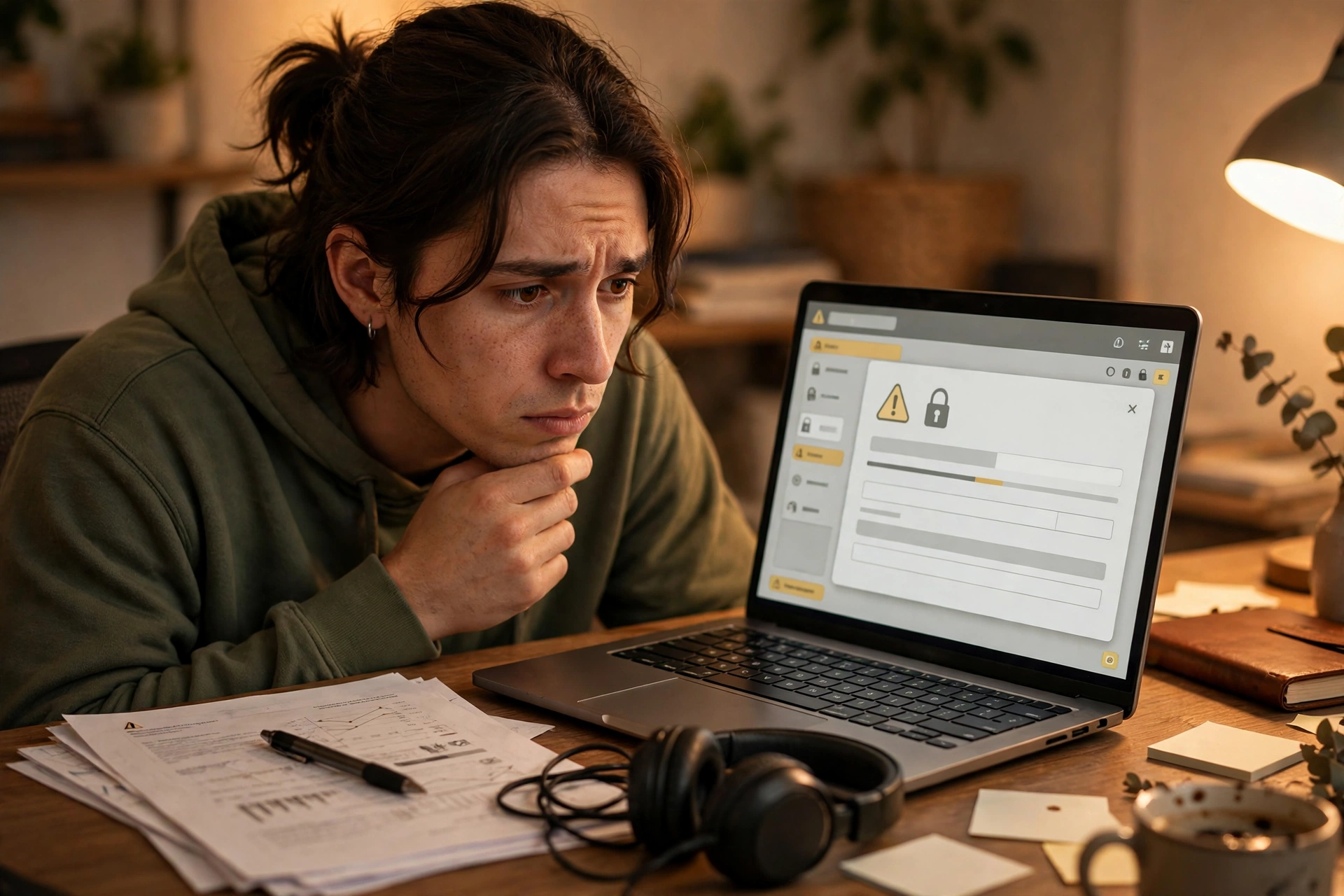
There is a particular kind of panic every creator knows: you open your dashboard and see a copyright strike, or a video suddenly marked with a Content ID claim. Revenue stops on that video, or worse, your channel shows a warning that feels like a threat to everything you built. The good news is that most of these situations are manageable if you understand what each notice actually means and respond in the right order. Panic leads to bad decisions, like deleting evidence or filing a false dispute. A calm, step-by-step response protects both the video and the channel.
First, Know Which Notice You Received
Copyright strikes and Content ID claims are different systems, and confusing them is the most common mistake. A Content ID claim is automated: YouTube's system matched part of your video to content owned by someone else, and the owner chose to monetise it, track it, or block it. A claim is not a punishment, it does not harm your channel standing, and in many cases it simply means the revenue on that video goes to the claimant while the claim lasts.
A copyright strike is a formal legal complaint filed by a rights holder. Strikes do harm your channel: one strike limits some features, and three strikes within 90 days can lead to channel termination. A strike usually arrives with a specific video removed and a notice naming the claimant. Before doing anything, read the notice carefully and identify which kind it is, which video it affects, and what content is claimed. Screenshot the notice for your records before taking action.
What to Do About a Content ID Claim
For a Content ID claim, you have three real options, and the right one depends on the facts. If the claim is correct — you did use someone else's song or footage without permission — the honest options are to accept it, or to remove or replace the claimed segment using the platform's editor. Trimming out the claimed audio or swapping the track is often the fastest fix, and the video stays up with your other content intact.
If the claim is wrong — the matched content is yours, or your use is clearly licensed — dispute it. A dispute should state facts plainly: that you own the content, or that you hold a licence, and which part of the claim is incorrect. Attach proof if you have it, such as a licence receipt or your original project file dates. Do not dispute claims you know are valid; repeated invalid disputes can lead to strikes, which is a far worse outcome than one claimed video.
What to Do About a Copyright Strike
A strike demands more care, because the consequences are real. Start by reading the strike details and the claimant's information. If you genuinely used the content without permission, the pragmatic response is usually to accept the strike, learn from it, and wait out the 90-day period, during which you should complete any copyright school the platform requires. Deleting the video does not remove the strike, a fact many creators learn too late.
If the strike is mistaken or your use is lawful — for example, you own the footage, or you have a licence — you can submit a counter notification. This is a formal legal statement, not a casual appeal, and it carries real legal weight: you are asserting under penalty of perjury that the removal was a mistake. Only file a counter notification when you are confident in your position and you understand that the claimant may choose to take the matter to court. When in doubt, consult a lawyer before filing one.
Preventing the Next One: The Licence Habit
Most strikes and claims are preventable, and prevention is cheaper than any dispute. Build a licence habit for everything you publish: music only from libraries you have actually licensed, stock footage only from sources with clear terms, and client or collaborator material only with written permission. Keep receipts and licence documents in one folder, because a dispute filed two years later is only winnable if you can still prove the licence existed.
Be especially careful with three traps. First, free does not mean licensed: music labelled free on a random channel may have been uploaded without the owner's permission. Second, giving credit is not a licence: crediting a musician in your description does not give you the right to use their song. Third, short does not mean safe: there is no magic number of seconds that makes someone else's work fair to use. Short clips can still be claimed and struck, and fair use depends on purpose, amount, and market effect, not on a stopwatch.
Protecting Your Own Work From Others
The other side of copyright is defending your own creations. If someone reuploads your video, you can file a removal request through the platform's copyright tools. Before filing, gather proof of ownership: your original project files, upload dates, and any earlier publication. File against clear copies, not against videos that merely discuss or react to your work, since over-filing creates disputes that waste your time and credibility.
For creators whose work is copied repeatedly, consider registering important works where your country offers registration, and keep a simple log of takedowns you have filed. A pattern of copying by the same account strengthens future complaints. And watermarking or branding your videos visibly does not stop theft, but it does make stolen copies easier to identify and less valuable to the thief.
Frequently Asked Questions
Does a Content ID claim hurt my channel?
No. A claim affects only the claimed video's monetisation or availability. It does not count toward strikes and does not threaten your channel. A strike is the notice that affects channel standing.
Will deleting a struck video remove the strike?
No. The strike remains on your record for its full period even if you delete the video. Deleting also destroys evidence you might need if you later dispute the strike.
Can I use a song if I bought it on a music store?
Buying a song gives you the right to listen to it, not to use it in your videos. Video use needs a synchronisation licence or a track from a library that grants one. Read the licence terms before using any track commercially.
What is fair use, really?
Fair use is a legal defence, not a permission slip, and it is decided case by case based on purpose, nature, amount, and market effect. Commentary, criticism, and education strengthen a fair use argument, but there is no guaranteed safe length or percentage. When unsure, get permission or use licensed material.
Conclusion
A copyright notice feels personal, but it is a process, and processes have correct responses. Identify the notice type, choose the honest option for the facts, keep your licences in one folder, and never file a dispute or counter notification you cannot stand behind. Creators who treat copyright as a boring habit — licence everything, keep receipts, credit properly — rarely have to treat it as a crisis. Build the habit now, and the next notice, if it comes, will be a task to handle, not a panic to survive.