Starting a Podcast as a Creator: Format, Budget Gear, and a Launch Checklist
How to start a podcast as a creator: pick a sustainable format, choose budget gear that sounds professional, and follow a practical launch checklist.
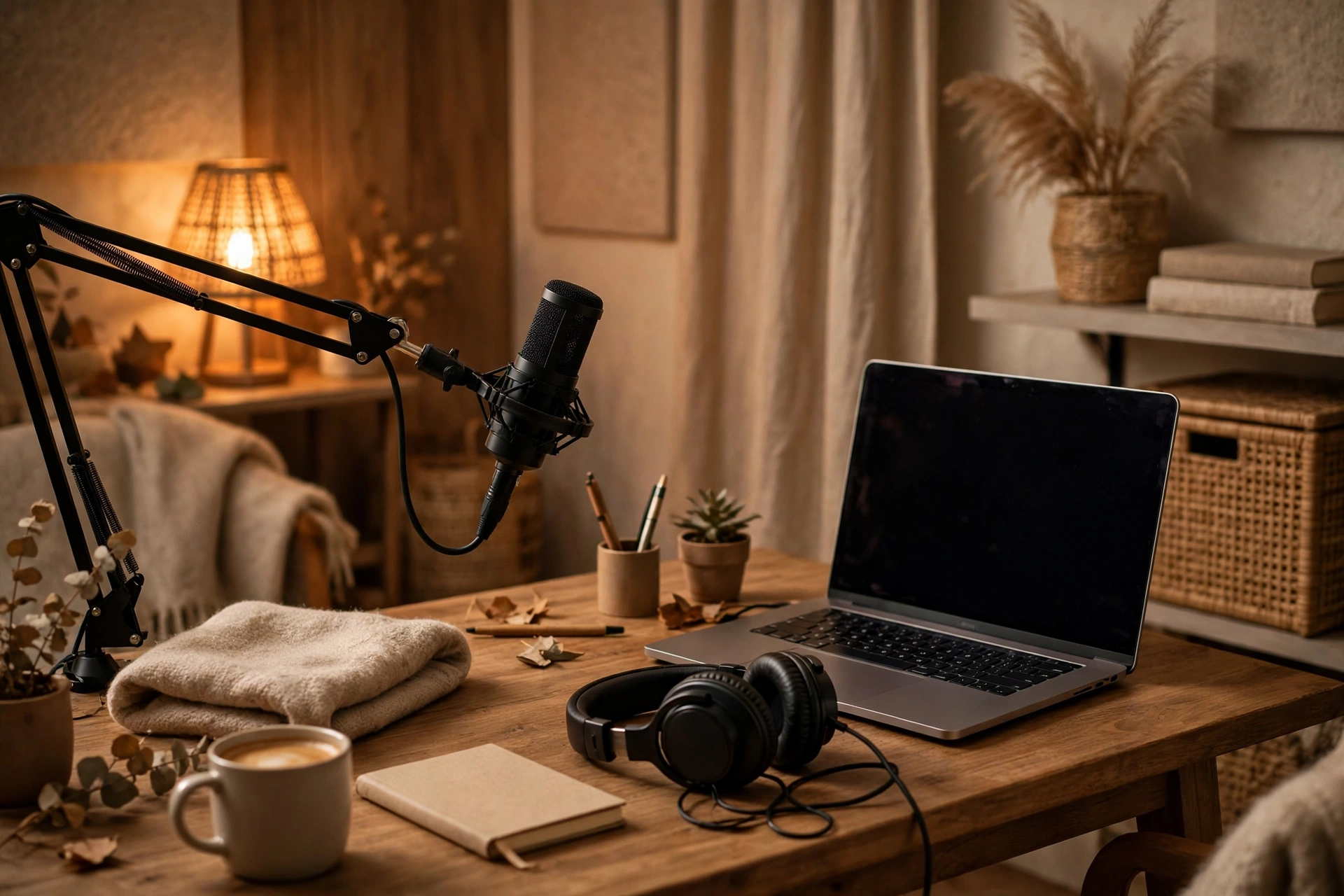
Podcasting looks simple from the outside: a person, a microphone, and a conversation. That simplicity is exactly why it is a smart move for creators who already have an audience elsewhere. A podcast gives you long-form attention that short video rarely delivers, it builds trust faster than a feed post, and it can be repurposed into clips, newsletters, and articles for weeks. But a good launch still needs decisions about format, gear, and workflow before you press record, or you will spend your first month fixing problems that a checklist would have prevented.
This guide walks through choosing a format, buying sensible budget gear, and following a launch checklist that gets your first episodes out without overspending. It assumes you are a solo creator or a small team, not a studio, and that you want a show you can sustain weekly alongside your existing content.
Step 1: Choose a Format You Can Sustain
Format is the promise you make to listeners. The most common creator formats are the solo show, the interview show, the co-hosted conversation, and the narrative or storytelling show. A solo show is the easiest to schedule because it depends only on you, but it demands strong preparation, since you carry every minute alone. An interview show gives you variety and lets guests bring their audiences, but it adds scheduling, outreach, and editing work. A co-hosted show feels natural and fun, yet it only works if both hosts can commit to the same recording slot every week.
Also choose a clear angle. A podcast about business is too broad; a podcast about how first-time founders in small Indian cities find their first ten customers is specific enough to be found and remembered. Write one sentence that describes who the show is for and what they get from each episode. If you cannot write that sentence, your format is not ready yet.
Step 2: Budget Gear That Sounds Professional
You do not need studio gear to sound good, but you do need to avoid the two mistakes that ruin beginner audio: a bad room and a distant microphone. A decent USB microphone close to your mouth in a quiet, soft-furnished room will beat an expensive microphone in an echoing hall. Start with a well-reviewed USB microphone in the budget range, a pair of closed-back headphones so you can hear yourself without echo, and a simple pop filter or foam cover to soften harsh sounds on words starting with p and b.
Step 3: Plan Your First Season Before You Launch
The biggest reason new podcasts stall is that episode one takes all the energy and episode two has no plan. Before launch, outline your first eight to ten episodes with a title, a one-line promise, and three main points each. This is your season bank. When life gets busy, you record from the bank instead of staring at a blank page. It also helps you spot repetition early: if four episodes cover the same point, merge them and find a fresh angle for the spare slot.
Batch your production. Record two or three episodes in one week, then edit them over the following days. Batching protects you against a sick week or a travel week, and it makes your launch stronger because you start with more than one episode live. Most successful launches publish a trailer plus two or three full episodes on day one, so a new listener who likes episode one can immediately keep listening instead of waiting a week.
Step 4: The Launch Checklist
- Record and edit a 60 to 90 second trailer that introduces the show and its promise.
- Prepare three full episodes, with show notes, episode titles, and timestamps for each.
- Write launch posts for your existing channels, and cut one short clip from each episode for reels and shorts.
- Ask five friends or peers to listen early and leave an honest review in launch week.
- Set a realistic publishing rhythm, such as one episode every Tuesday, and protect that slot.
Third, plan your first month of promotion around your existing audience. Your first listeners will almost certainly come from the audience you already have, not from podcast search alone. Announce the show where your audience already follows you, explain in one sentence why this show is worth their time, and link directly to it. A short video clip of the most interesting 40 seconds of an episode usually outperforms a plain announcement graphic, because it lets people sample the show before committing.
Step 5: Keep It Going After Launch Week
Launch week is exciting, but week five is where podcasts are won. Set a weekly rhythm you can honestly keep: one recording slot, one editing slot, and one promotion slot. Track simple numbers only at first, such as downloads per episode in the first seven days and how many listeners finish an episode. Do not obsess over total downloads in month one; a small, loyal audience that finishes episodes is worth more than a large audience that drops off after two minutes, and it is the audience sponsors eventually ask about.
FAQ
How much money do I need to start a podcast?
You can start with a budget USB microphone, headphones you already own, and free editing software, plus a modest monthly hosting fee. Many creators launch well for the price of a budget microphone and a hosting plan. Upgrade gear only after you have a publishing habit, not before.
Should my podcast be audio only or video too?
Audio is simpler and faster to produce, and it suits listeners who tune in while commuting or working out. Video adds reach on YouTube and social clips, but it doubles editing work and requires camera, lighting, and a presentable recording space. A practical middle path is to record audio first, then add a simple video version later once the audio workflow is stable.
How long should my episodes be?
Match length to your format and audience habit. Solo explainers often work at 20 to 30 minutes, interviews at 30 to 45 minutes, and deep conversations at up to 60 minutes. Whatever you choose, keep it consistent for a season so listeners know what to expect.
How do I get my first listeners?
Start with your existing audience on other platforms, then earn discovery through good titles, clear descriptions, and shareable clips. Guest appearances on other shows, collaborations, and listener recommendations grow a podcast faster than paid promotion in the early months.
Conclusion
Starting a podcast is less about gear and more about a format you enjoy, a workflow you can repeat, and a launch that gives new listeners something to binge. Choose a narrow angle, buy sensible budget equipment, bank your first ten episodes, and launch with a trailer plus three episodes. Then protect your weekly rhythm and let feedback shape season two. If you do that, your podcast will not just launch well; it will still be publishing when most new shows have quietly stopped.
Related Marketplace Assets
AI YouTube Title Generator
Generate curiosity-driven, high-converting video and article title variations engineered to capture viewer interest.
AI YouTube Description Generator
Craft structured YouTube video descriptions featuring above-the-fold hooks, key timestamps, and clear calls to action.
AI YouTube Script Generator
Generate comprehensive, high-retention YouTube video scripts with visual B-roll cues, pacing markers, and outro CTAs.