How Creators Can Run a Referral Program for Their Own Digital Products
A referral program turns happy buyers into your marketing team. This step-by-step guide covers rewards, tracking tools, clear rules, fraud prevention, and a small, safe launch.
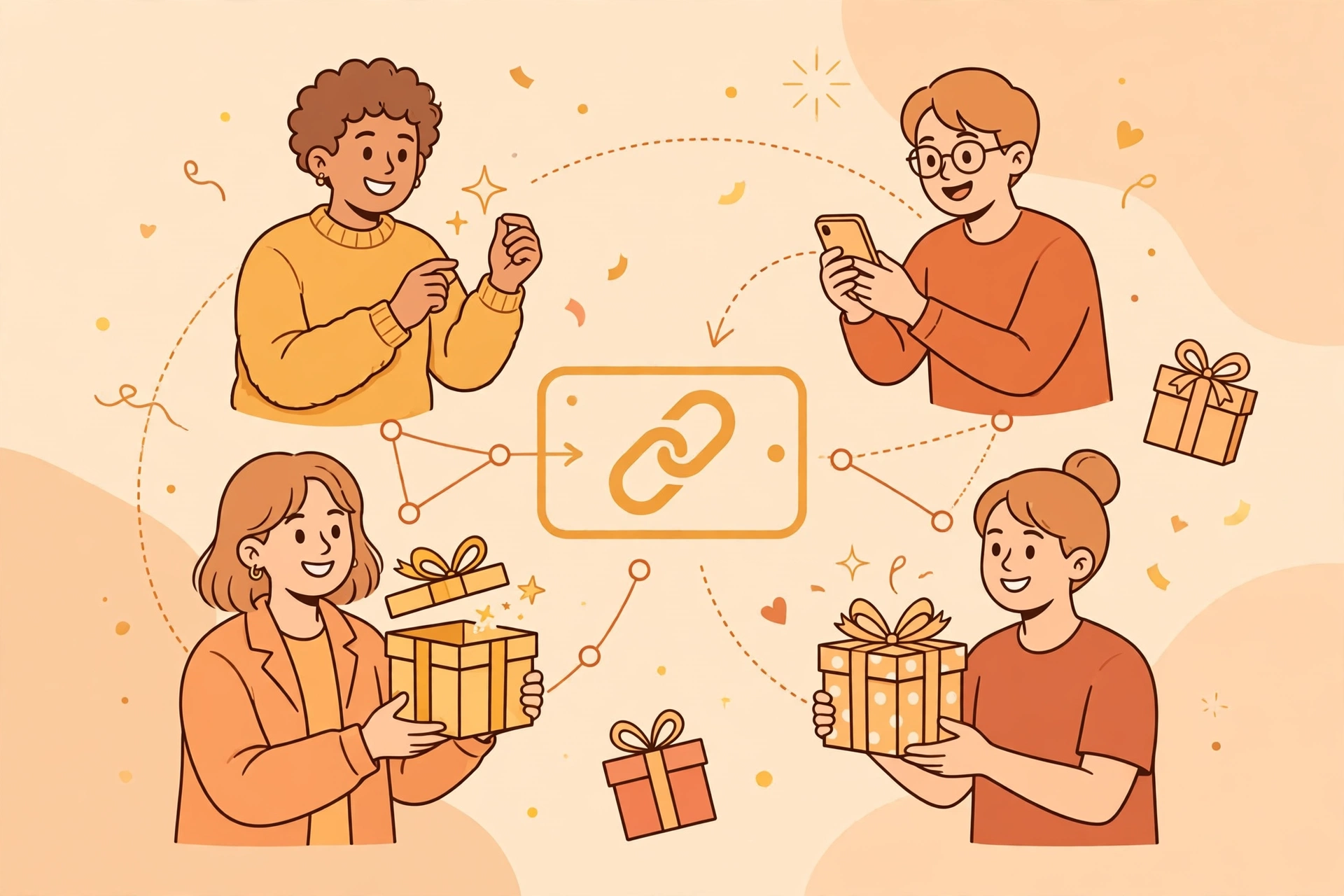
A referral program turns your existing buyers into your marketing team. Instead of paying for ads to find strangers, you reward happy customers for bringing people who are already likely to be interested, because a recommendation from a friend carries trust that no advertisement can buy. For creators selling digital products such as courses, templates, presets, or ebooks, a referral program is also unusually practical: there is no stock to ship, delivery is automatic, and the reward can be a discount, a bonus product, or a cash commission.
Step 1: Decide What a Successful Referral Means
Before you pick a reward, define the action you are paying for. For most digital products, the only sensible trigger is a completed purchase, not a click or a signup. Paying for clicks invites gaming; paying for completed, non-refunded purchases keeps the program honest and affordable. Decide whether the reward applies to the first purchase only, or to every purchase a referred customer makes. First-purchase-only is simpler and safer when you are starting out.
Step 2: Choose a Reward That Makes Sense
A reward must be attractive enough to motivate sharing, but small enough that you still earn a healthy margin. As an illustrative example, a creator selling a course for fifty dollars might offer the referrer a twenty percent commission, keeping eighty percent for themselves. Another creator might prefer store credit: refer a friend, get a bonus template pack worth a fixed amount. Cash feels more motivating to many referrers; store credit keeps the value inside your own shop and costs you less in real money.
Consider a two-sided reward, where both the referrer and the new buyer benefit. For example, the new buyer gets ten percent off their first order, and the referrer earns a commission once that order is complete. Two-sided rewards tend to convert better, because the person sharing has something genuinely useful to offer their friend, not just a link that benefits themselves. Whatever you choose, make the maths public and simple. If a potential referrer needs a calculator to understand the reward, it is too complicated.
Step 3: Pick a Simple Tracking Tool
You do not need enterprise software to run a small referral program. Many creators start with tools built into their existing platform. Some course and checkout platforms include affiliate or referral features natively; some email tools can generate unique links. If your platform has nothing built in, a dedicated affiliate tool can generate unique referral links, track purchases back to the referrer, and produce payout reports.
When comparing tools, check five things: does it create a unique link per referrer, does it track completed purchases rather than just clicks, does it handle refunds by cancelling the reward, can you set your own commission rules, and can you export a payout list. Price matters less than these basics at the start. A tool that tracks badly will cost you more in disputes and manual fixes than a slightly pricier tool that tracks well.
Step 4: Write Clear Rules and Publish Them
Every referral program needs a short, plain-language rules page. Cover who can join, what counts as a referral, when the reward is paid, and what is not allowed. The most important rule to state is about self-referrals: a person cannot refer themselves using a second account to earn a reward. Also state that referrals are void if the purchase is refunded, and that you may remove participants who spam links or misrepresent your product.
Step 5: Make Sharing Effortless
People will not share if sharing takes effort. After purchase, show the buyer their personal referral link on the thank-you page and in the delivery email. Provide ready-made messages they can copy, such as a short sentence about what the product helped them do, plus their link. Give them two or three message options, not ten. Also provide a simple image or two they can use on social media, sized for common platforms.
Step 6: Prevent Fraud Without Punishing Honest Referrers
Small programs attract small-scale abuse, usually self-referrals or coupon-code stacking. A few safeguards prevent most of it. Require the referrer to be a verified buyer, hold payouts until the refund window passes, and flag accounts where a large share of referrals come from the same device or payment details. Watch for sudden spikes from a single referrer that do not match normal patterns.
Step 7: Launch Small, Then Improve
Start with your happiest customers, not your whole list. Invite recent buyers, or buyers who left positive feedback, to join first. This gives you a manageable group to learn from and a higher chance of early success stories. Track three numbers weekly: how many people share their link, how many referred purchases complete, and what each referred purchase costs you in rewards. If sharing is low, the reward or the sharing experience needs work. If clicks are high but purchases are low, the product page or the offer may need attention, not the program itself.
Frequently Asked Questions
How much commission should I offer?
There is no universal rate, but a common starting range for digital products is ten to thirty percent of the purchase price. Start at the lower end if your margins are tight, and raise it only if sharing is lower than you hoped. The reward must leave you profitable after payment fees and taxes.
Should I pay commission on refunded purchases?
No. Standard practice is to pay only on completed, non-refunded purchases, after a holding period that covers your refund window. State this clearly in your rules so referrers are not surprised.
Do I need legal or tax paperwork for referrers?
This depends on your country and how much you pay out, and it can change once payouts grow. Keep clean records of every payout from day one, and check local rules or ask an accountant before your program scales. Good records make any later paperwork far easier.
Can I run a referral program with a tiny audience?
Yes, and it can work especially well. A small, loyal audience that genuinely likes your product often refers at a higher rate than a large, indifferent one. Start with your best customers and grow the program as your audience grows.
Conclusion
A referral program does not need to be complicated to work. Define a completed purchase as the trigger, choose a reward that is generous but sustainable, track it with a tool you trust, publish clear rules, and make sharing easy. Launch with your happiest buyers, watch the numbers, and improve one thing at a time. Done this way, referrals become a steady, trust-based way for your digital products to reach people who are already inclined to buy.
Related Marketplace Assets
AI CTA Generator
Craft clear, persuasive calls-to-action tailored for newsletters, digital downloads, video outros, and community growth.
AI Product Description Generator
Generate persuasive, structured sales descriptions for digital products, templates, and courses that convert visitors.
AI Creator Email & Newsletter Writer
Draft personal, high-engagement broadcast emails and newsletter editions with curiosity subject lines and clear CTAs.